
Introduction
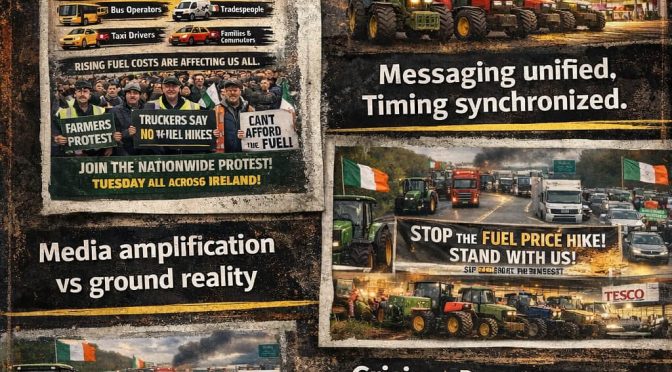
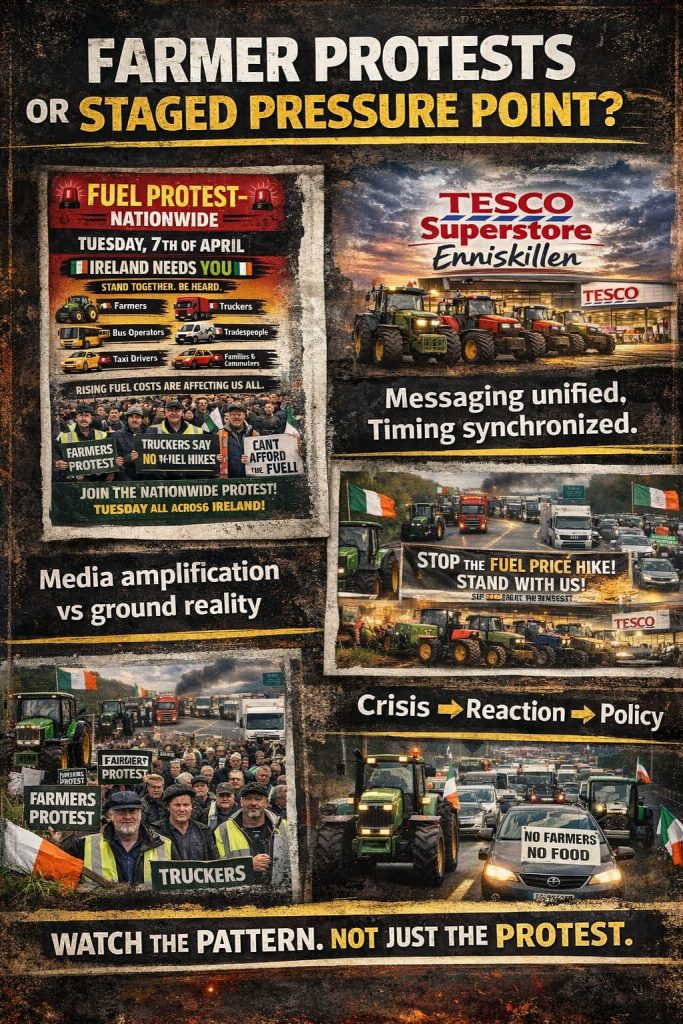
The recent protests by farmers and truckers in Ireland have captured global attention, but what lies beneath the surface of these demonstrations? To understand the true motivations and potential outcomes, we must delve into the intricate web of global agendas, historical contexts and the elite’s strategies for control.
The Historical Context: Vatican-Linked Farmers and Settlers
To comprehend the current unrest, we must first acknowledge the historical injustices that have shaped Ireland. Many of the farmers protesting today are descendants of British landlords who, during the Papal Bull of Laudabiliter, enforced mass evictions. These invaders and settlers have a complex history with the Vatican and their presence in Ireland has often been a source of tension and conflict.
UN Agenda 21 and Agenda 2030: The Blueprint for Control
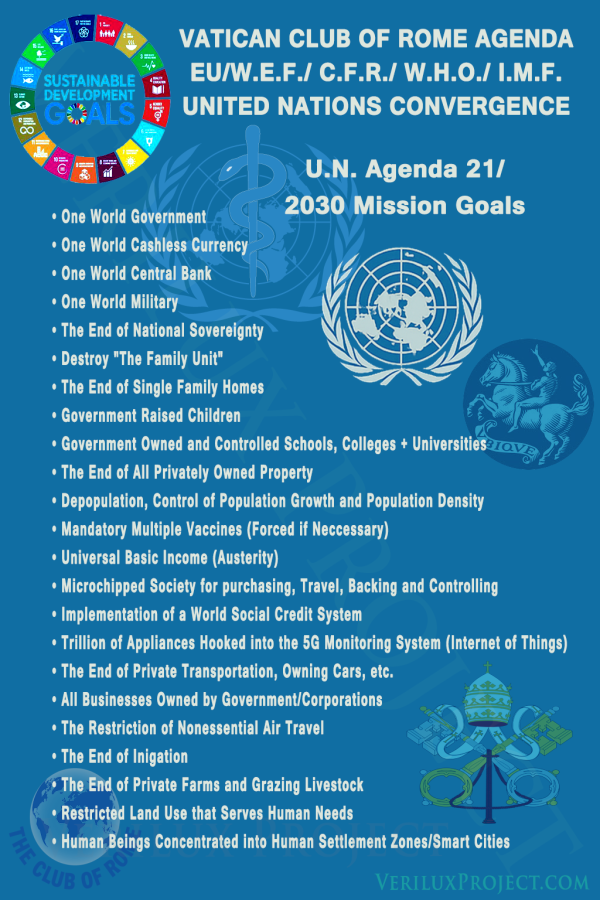
The United Nations’ Agenda 21 and its successor, Agenda 2030, outline a vision for a sustainable future. However, critics argue that these agendas are a Trojan horse for global governance and control.
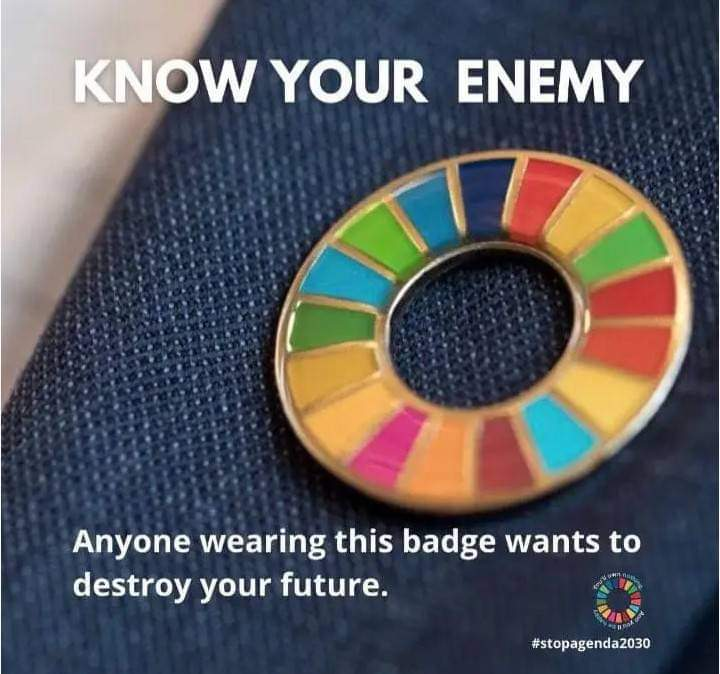
Sustainable Development Goals (SDGs)
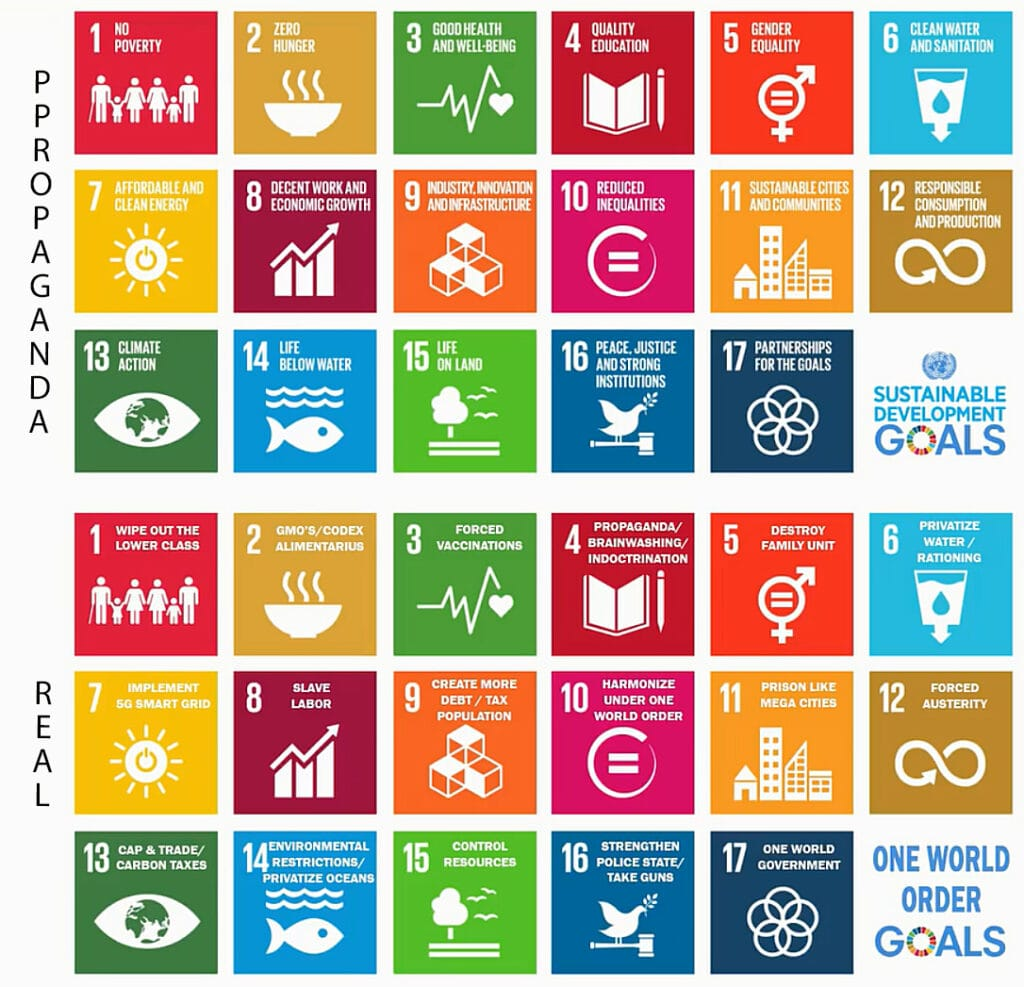
These goals, while seemingly benign, can be used to justify a wide range of policies that infringe on individual freedoms and national sovereignty. The SDGs are aligned with various aspects of the protests and the elite’s agenda:
SDG 1: No Poverty – Used to justify income redistribution and control over economic activities.
SDG 2: Zero Hunger – Employed to centralize food production and distribution, potentially threatening food sovereignty.
SDG 7: Affordable and Clean Energy – Pushes for renewable energy sources, which can be used to phase out fossil fuels and control energy supplies.
SDG 9: Industry, Innovation and Infrastructure – Promotes smart cities and digital infrastructure, which can be used to implement digital ID and social credit systems.
SDG 11: Sustainable Cities and Communities – Aims to create smart, sustainable cities that can be used to control urban populations and reduce rural influence.
SDG 13: Climate Action – The primary driver for the carbon agenda, justifying policies that restrict economic activities and private transportation.
Climate Change Agenda / Carbon Agenda
The push for carbon neutrality and the fight against climate change are used to implement policies that restrict economic activities, particularly in sectors like agriculture and transportation.
The Carbon Agenda: Controlling the Commons
The carbon agenda is a critical component of the elite’s plan. By framing climate change as an existential threat, they can justify the following:
Ending Private Ownership of Transportation
The push for electric vehicles and public transportation is part of a broader strategy to reduce private car ownership and control mobility. This aligns with SDG 9 and SDG 11, which promote sustainable infrastructure and cities.
Agricultural Reform
Sustainable farming practices, while environmentally beneficial, can also be used to consolidate control over food production and distribution. This is in line with SDG 2, which aims to end hunger and promote sustainable agriculture.
Digital ID Infrastructure and Social Credit Scoring
The implementation of a digital ID infrastructure and social credit scoring systems are key tools in the elite’s arsenal for control.
These systems can be used to:
Monitor and Control Behavior – By tracking individuals’ actions and assigning them a ‘social credit’ score, governments can incentivize compliant behavior and punish dissent. This is supported by SDG 9, which promotes digital infrastructure and innovation.
Facilitate Surveillance – Digital IDs allow for unprecedented levels of surveillance, enabling the state to monitor citizens’ movements and interactions. This ties into SDG 11, which aims to make cities and human settlements inclusive, safe, resilient and sustainable.
Ordo Ab Chao: Order Out of Chaos
The protests in Ireland could be seen as a manifestation of the elite’s strategy of ‘ordo ab chaos’ – creating order out of chaos. By fomenting unrest, they can justify the implementation of new systems and policies that increase their control.
This could lead to:
Civil Unrest and Martial Law – Prolonged protests could provide the pretext for deploying public order units or even imposing martial law, giving the government expanded powers. This aligns with SDG 16, which promotes peace, justice and strong institutions.
Propaganda and PsyOps – The extensive media coverage of the protests could be part of a propaganda campaign to shape public perception and frame the narrative around sustainability and climate action. This is supported by SDG 4, which promotes quality education and can be used to influence public opinion.
The End Goal: Technocratic Control
The ultimate aim of these agendas is technocratic control, where decisions are made by experts and technocrats rather than elected representatives.
This could involve:
Smart Agriculture and Precision Farming – Technologies that give more control to centralized authorities, potentially at the expense of traditional farming methods and livelihoods. This is in line with SDG 2 and SDG 9, which promote sustainable agriculture and innovation.
Global Supply Chain Disruptions – Using disruptions to justify centralizing control over food production and distribution. This aligns with SDG 2 and SDG 9, which aim to end hunger and promote sustainable and resilient infrastructure.
A Call to Awareness
As indigenous people, it is crucial to recognize the true nature of these protests and the agendas behind them. The elite have a history of using local conflicts to advance their global plans. By understanding the connections between the farmers’ protests, the UN agendas and the push for digital control, we can better resist these attempts at manipulation.
Let us stand united in awareness and resistance, preserving our sovereignty and traditional ways of life in the face of global technocratic control.
How does Agenda 2030 threaten the traditional, sustainable practices of indigenous communities like the Irish ⁉️
Why are the voices of indigenous peoples, who have lived sustainably for generations, being marginalized in the SDG discussions⁉️
How do the SDGs undermine local, community-based solutions in favor of corporate-driven “sustainability” initiatives⁉️
What are the potential long-term consequences of implementing Agenda 2030 on the cultural and spiritual connection to the land held by indigenous peoples⁉️
Why is there a lack of transparency in how Agenda 2030 is funded and who benefits from its implementation⁉️
How do the SDGs promote a one-size-fits-all approach to sustainability, ignoring the unique needs and knowledge of different cultures⁉️
What role do multinational corporations play in shaping Agenda 2030 and how does this influence impact local communities and their traditions⁉️
Why are indigenous peoples not given more control over their lands and resources, despite their proven track record of sustainable stewardship⁉️
How does Agenda 2030’s focus on economic growth conflict with the spiritual and ecological values of indigenous cultures⁉️
What can indigenous communities do to protect their lands and traditions from the potential threats posed by Agenda 2030 and the SDGs⁉️
These questions should resonate with your beliefs and encourage a deeper examination of the impacts of global agendas on indigenous cultures and their connection to the land.
Ivermectin & Population Control Poison: a Deep Dive into a Nobel Prize Winning Medicine
I know this article is going to get swarmed with hate, just like my vitamin…

The Great Awakening Is A Great Containment
The Great Awakening or a Globalist Trap? The Great Awakening Is A Great Containment :…

The Royal Nazi Order of Orange (Order)
The Orange Network: How Dutch Royal Connections Shape Global Governance in the Era of Agenda…
Ivermectin & Population Control Poison: a Deep Dive into a Nobel Prize Winning Medicine
I know this article is going to get swarmed with hate, just like my vitamin…
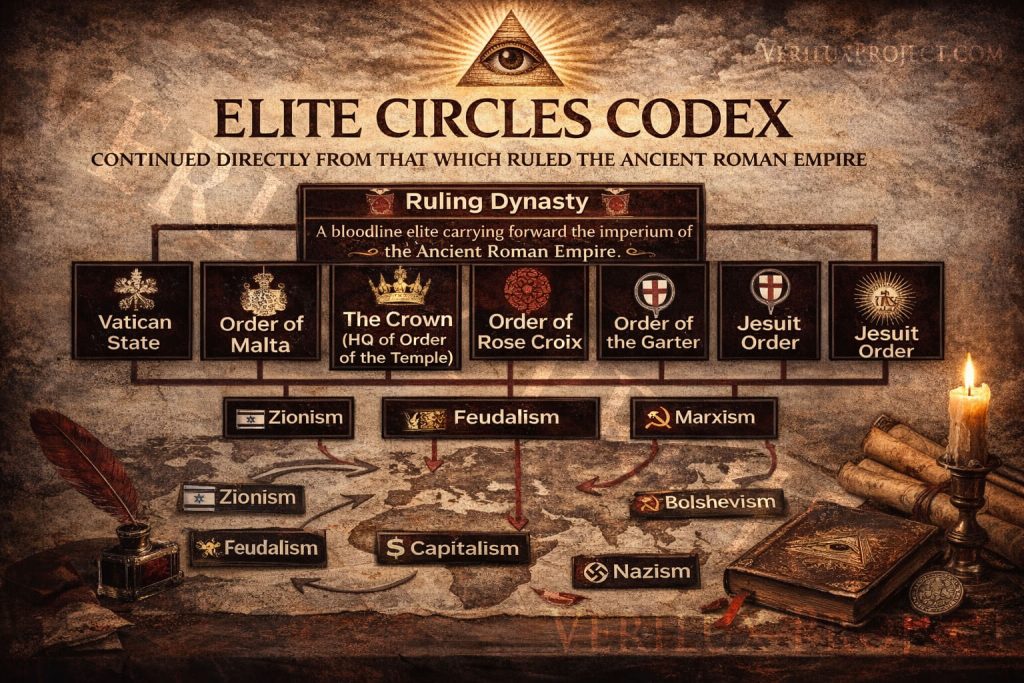
The Ruling Dynasties – Elite Circles 🇻🇦👑👁️
👑🇻🇦👁️ Elite Circles & Hidden Societies: Verilux Codex Overview👑 RULING DYNASTYThe master node. This is…
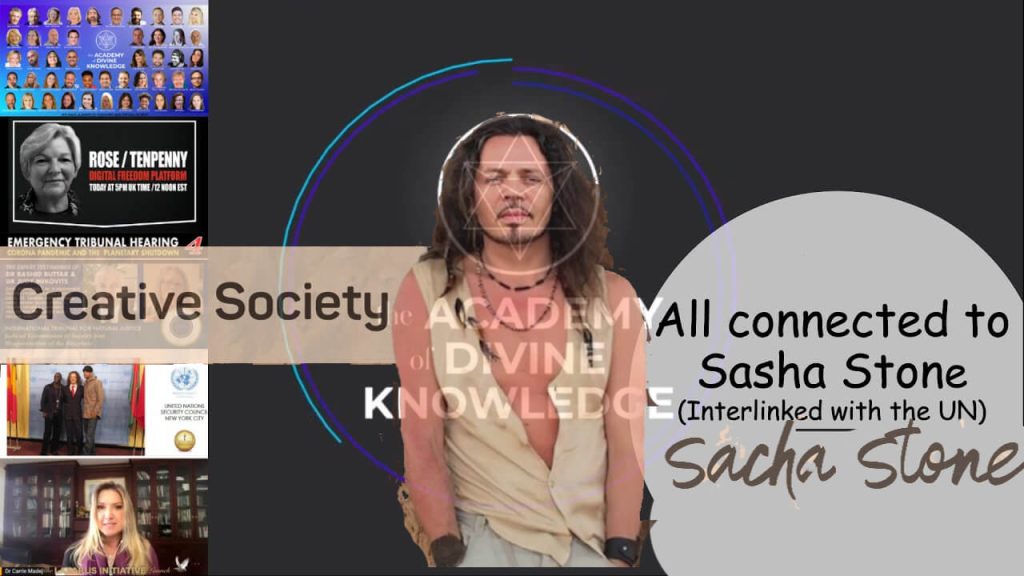
SACHA STONE – EXPOSED
Perhaps one of the biggest gatekeepers out there is Sasha Stone and someone has gone…
The Burkes – Ireland’s Shadow Crown from Rome to Clanricarde
“☘️ The Burkes – Ireland’s Shadow Crown from Rome to Clanricarde” 🧱 1. Foundational Code…

Inside the Inversion Machine: JTRIG, StratCom and the Global War on Truth
From Tavistock to Tel Aviv: Mapping the Digital PsyOps Alliance Behind the UN’s Narrative Control…

Who Are Greta Thunbergs Family ?
Want to know who Greta Thunbergs family REALLY Are ? How they are connected to…
The Great Awakening Is A Great Containment
The Great Awakening or a Globalist Trap? The Great Awakening Is A Great Containment :…
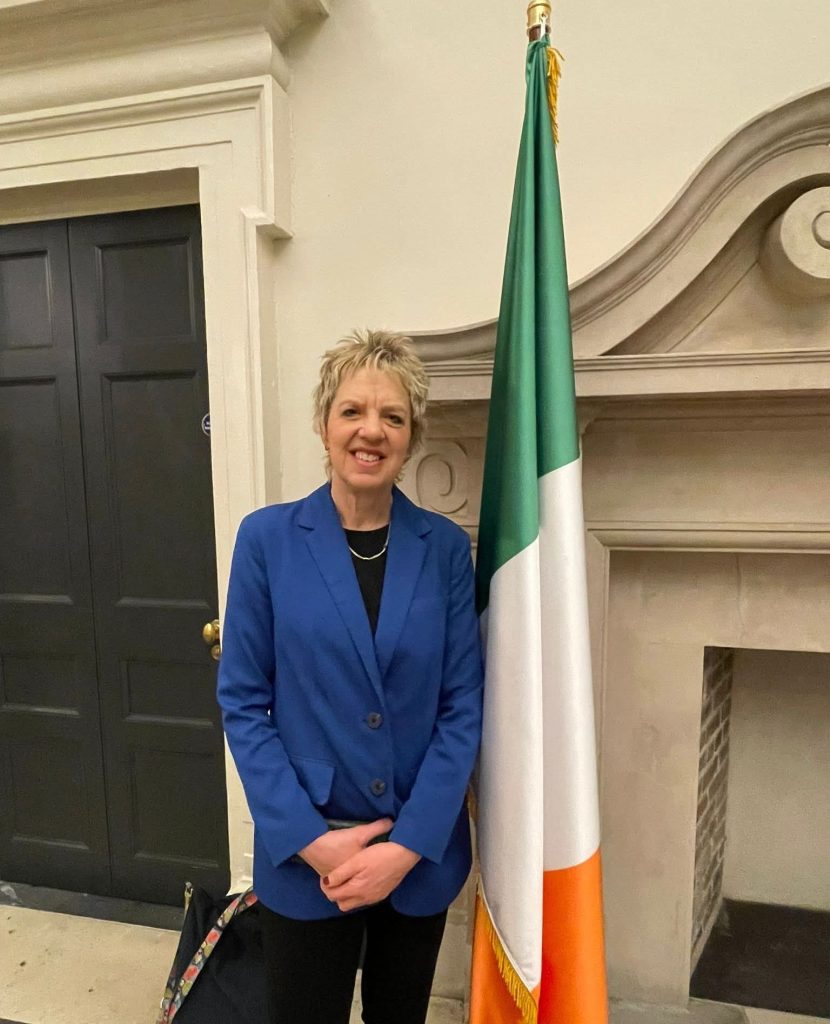
Bacik’s Spell: When Foreign Bloodlines Front the Irish Cage
Intro – The Glamour of the Imported Rebel In an era where puppets parade as…

The Real Families Who Control The World
The Real Families Who Control The World The Real Families Who Control The World, If…
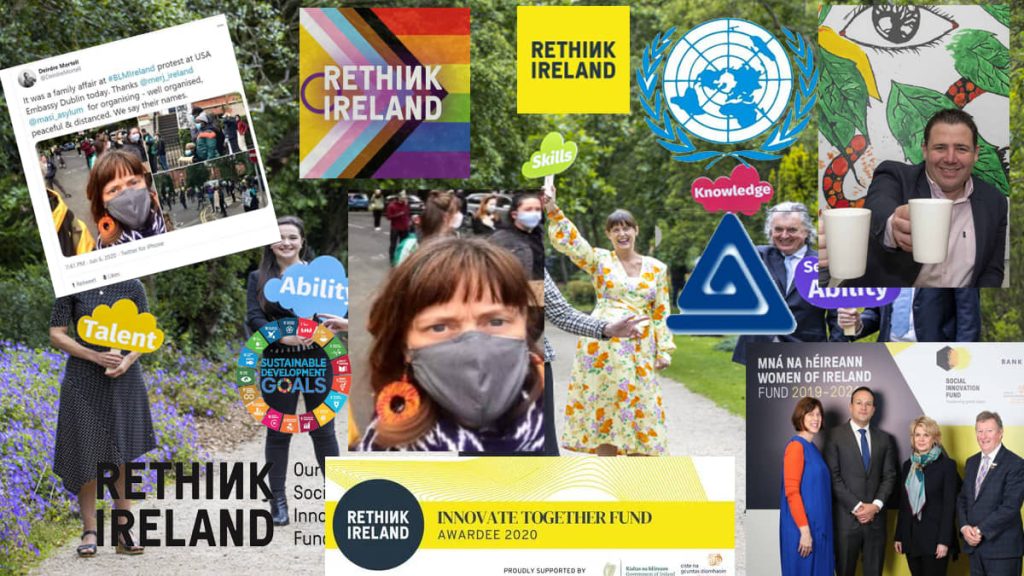
Rethink Ireland – The Mortell Engine: Agenda 2030’s Irish Proxy
Follow the rainbow. Find the rot. CORE MISSION & CONTROL MECHANISM Rethink Ireland presents as…
Anthony Casey: Controlled Dissident or Sovereign Defender?
In the shifting sands of Irish nationalism few figures have stirred as much intrigue and…
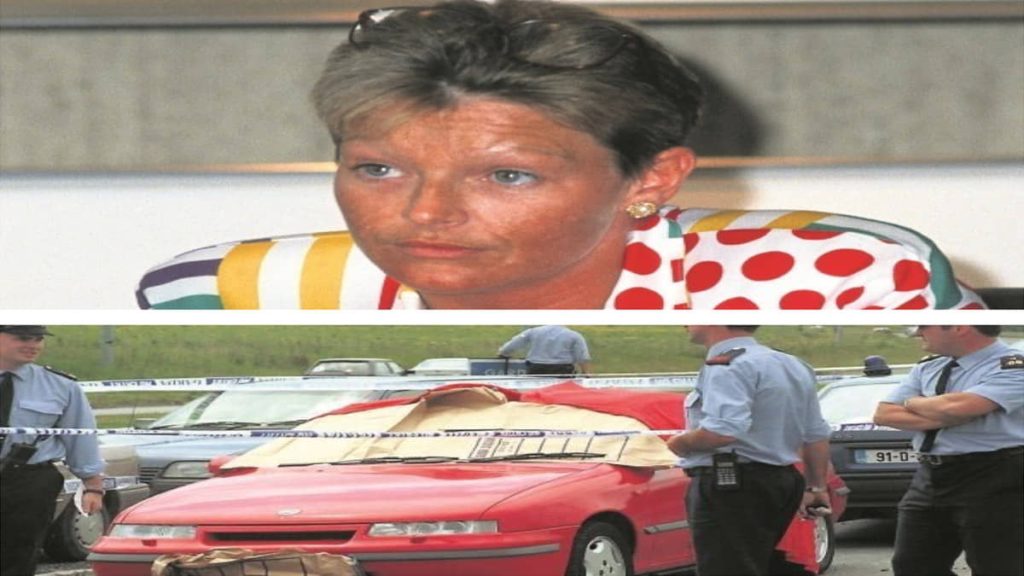
WHAT REALLY HAPPENED TO VERONICA GUERIN ?
Veronica Guerin – Echo 96: The Journalist Who Threatened the U.N. Machine, Was this true…
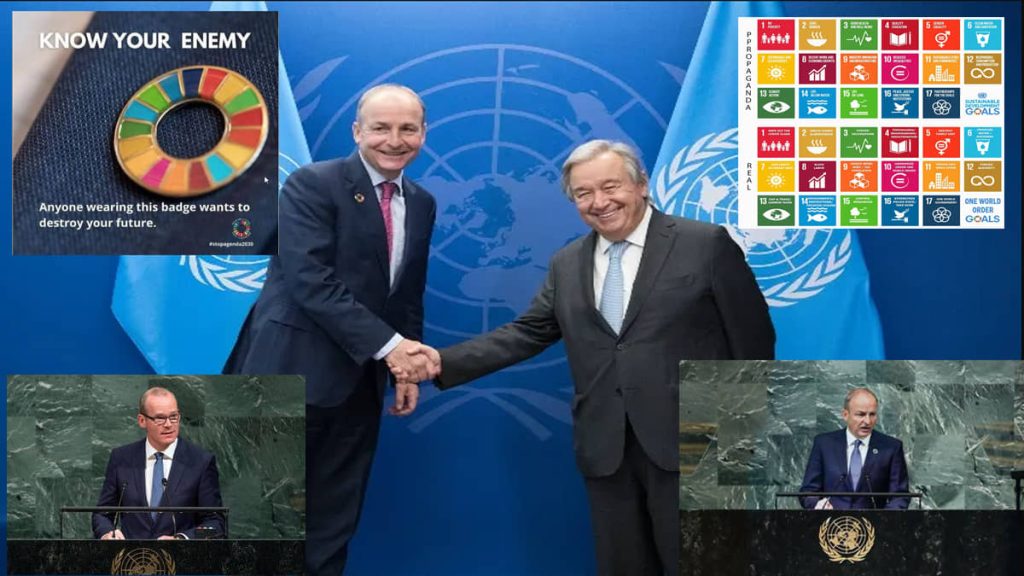
Ireland will either be The Poster Child Of Submission… or the spark of the final awakening.
🇮🇪☘️ The Emerald Jewel is caught between two tectonic forces: UN Technocracy and Ancient Sovereignty….

“The Ritual of Silence Is Broken — We Hear You. We See You. We’re Not Fooled.”
The Ritual of Silence: Unmasking “See No Evil, Hear No Evil, Speak No Evil” ❖…
The Vatican Throne Of Lies Where The Crown, Cross and Sword Still Rule
Vatican City (Stato della Città del Vaticano) Is an Independent Sovereign State Created in 1929…