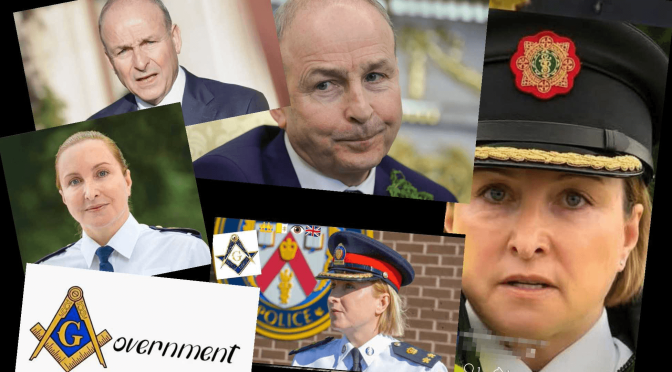
The Coxon-Martin Connection Unraveling the Bloodlines Behind the Irish-Canadian Power Axis

Share This To:

👑🇻🇦👁️🇬🇧🇮🇹🇨🇦

Introduction: The Transatlantic Question

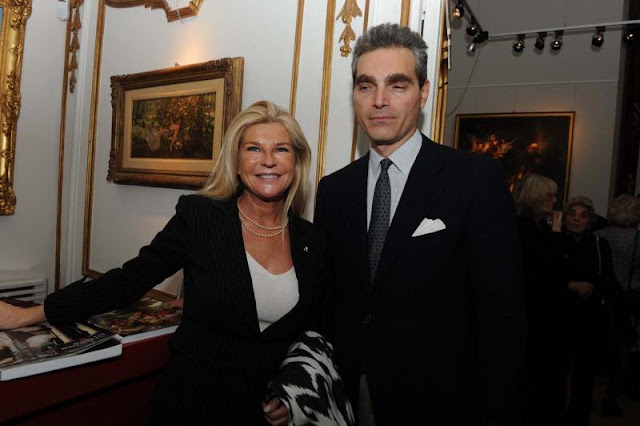
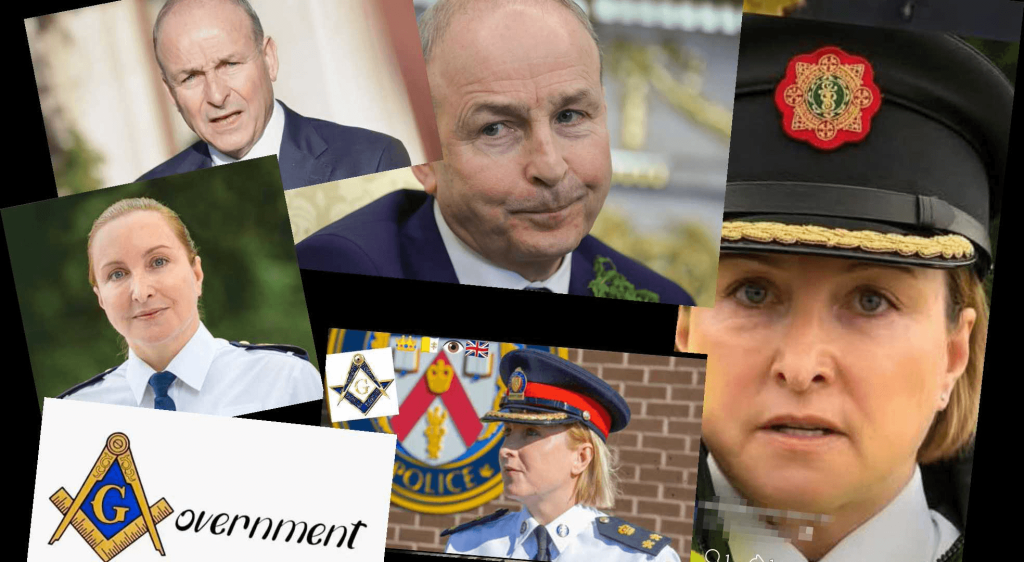
Shawna Coxon’s move from Canada to Ireland in 2021 to “The Five Eyes” Force and her alleged connection to Irish Taoiseach Micheál Martin raises profound questions about bloodline connections, political power and the hidden networks that operate across national boundaries.

This investigation examines the Martin and Coxon lineages their potential connections to the Black Nobility, and the possibility of a carefully orchestrated transatlantic power transfer.

The Martin Lineage: Irish Political Dynasty

👑🇬🇧 Micheál Martin’s Official Background

Micheál Martin, current Taoiseach (Prime Minister) of Ireland, officially comes from a political family in Cork. His father, Paddy Martin, served as an Irish international boxer and a local politician while his mother was involved in the local community. Officially, Martin has three living brothers and one sister.

The Tragedy Narrative (Crocodile Tears)

According to public records, Martin did experience “family tragedy”.with the loss of two children a son who died at 5 months old from Sudden Infant Death Syndrome (SIDS) and a daughter who died at age 7 from a heart condition. HOWEVER……these official narratives often mask deeper realities in the world of “Bloodline Politics” which is indigenous Irish know only ALL TOO WELL , that we can never trust a single word that dribbles out of their mason mouths. E.G. “The Famine” aka “An Gorta Mor” never happened, it was state sanctioned Democide / Genocide , by way of the Roman Papal Bull Known as “Laudabiliter” issued by Pope Adrian IV to wipe out the Irish.

“In 1155, Pope Adrian IV issued a papal bull called Laudabiliter, granting the English monarch Henry II the “right” to invade and control Ireland”

👑🇻🇦👁️ Potential Black Nobility Connections

The Martin surname has multiple potential connections to European nobility:

  1. The Martin of Tours Connection:

Saint Martin of Tours (316-397 CE) was a Roman soldier who became a Christian bishop. His lineage allegedly connects to the Merovingian dynasty which claims descent from Jesus and Mary Magdalene according to esoteric traditions.

  1. The Irish Martin Clans:

Several Irish clans bearing the Martin name have connections to Norman nobility who arrived in Ireland during the 12th-century invasion. These Norman families often intermarried with Irish nobility and maintained connections to continental European power structures.

  1. The Scottish Connection:

The Martin name appears in Scottish nobility, with connections to Clan Cameron and other Highland families that maintained Jacobite ties to the Stuart line, which has connections to the Black Nobility through the House of Stuart.

  1. The Spanish Connection:

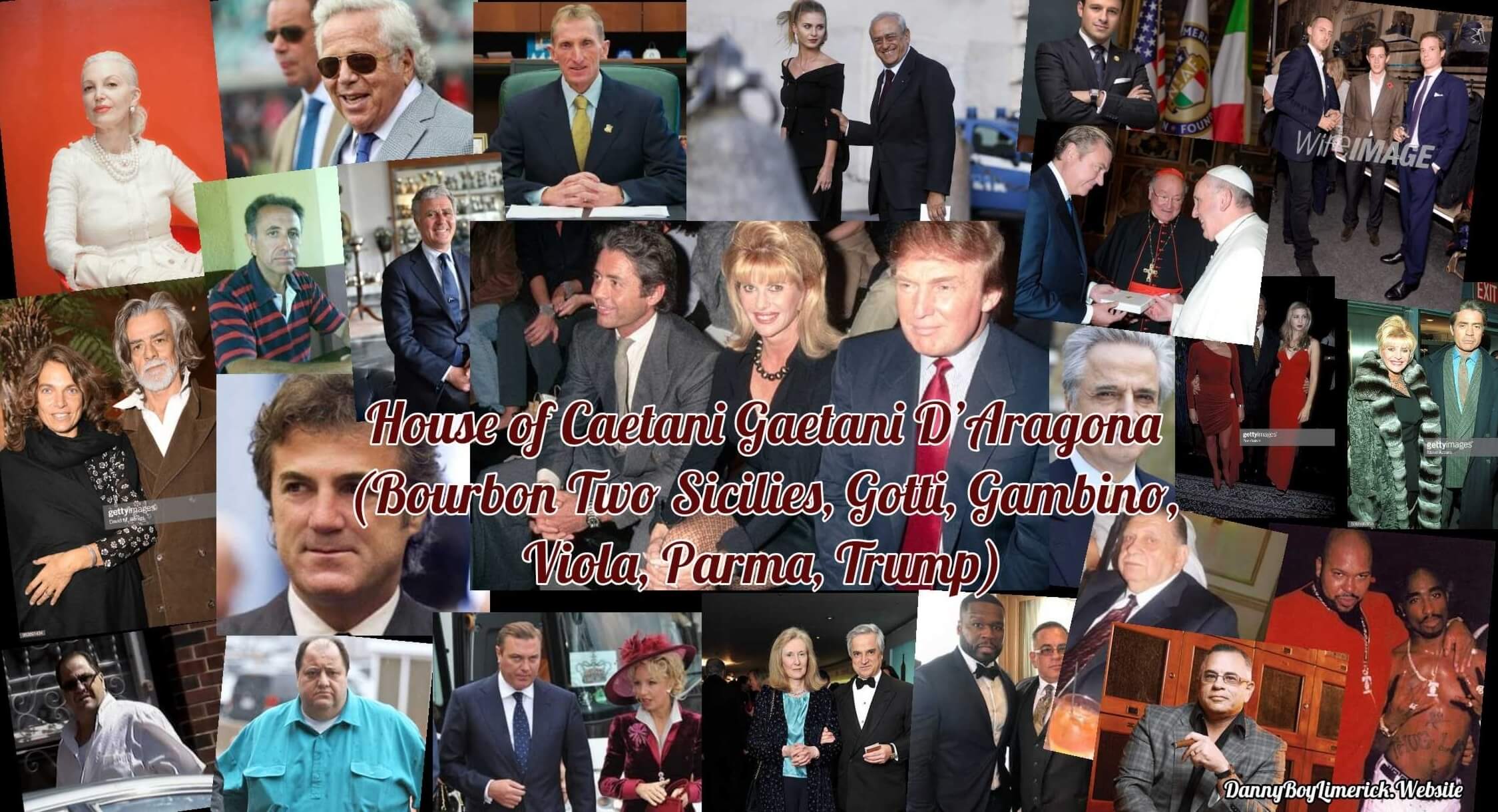
The Martín name appears in Spanish nobility, with potential connections to the House of Borja (Borgia), one of the 13 Jesuit/Papal bloodlines.

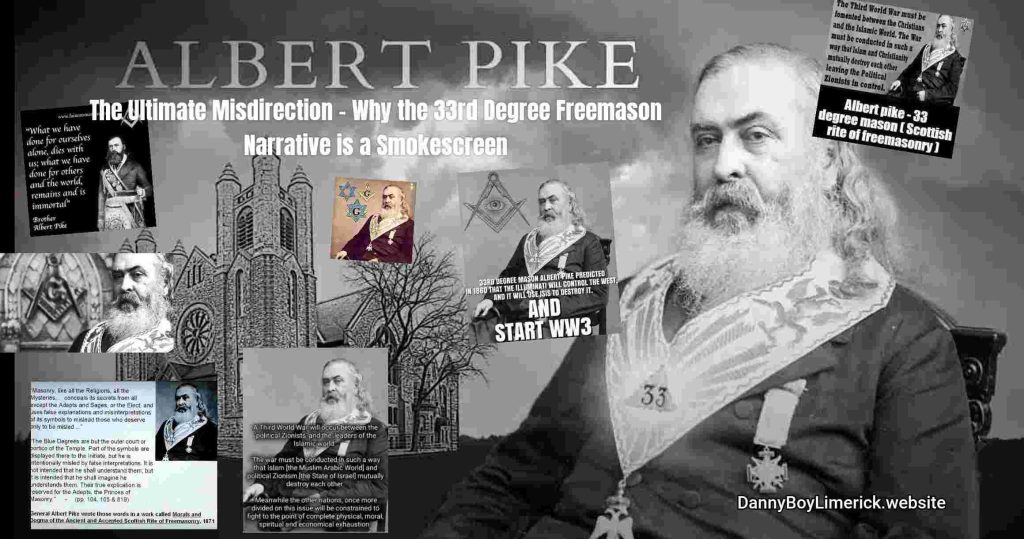
The most significant connection might be through Martin’s role as an alleged “Master Mason” which links him directly to the Jesuit network of secret societies controlled by the Black Nobility.

The European Monarchies manage secret societies like the Freemasons which infiltrate government agencies and run corporations for the monarchs.

🇬🇧🇨🇦 The Coxon Lineage: English-Canadian Power Network

🇨🇦 The Coxon Name Origins

The Coxon surname has English origins with several potential noble connections:

  1. The Northern English Connection:

The Coxon name appears prominently in Northern England, particularly in Yorkshire and Northumberland, regions with strong historical connections to Norman nobility and the Scottish border families.

  1. The Maritime Connection:

The Coxon name appears in maritime history, including connections to privateering and naval operations, historically domains connected to intelligence networks and covert operations.

  1. The Masonic Connection:

The Coxon name appears in Masonic records, suggesting potential involvement in the networks controlled by the Black Nobility.

👑🇬🇧🇨🇦 The Canadian Connection

The Coxon family in Canada could represent one of several patterns:

🇬🇧.1. Loyalist Settlement:

Many English families with noble connections settled in Canada as Loyalists during the American Revolution, maintaining their allegiance to the British Crown.

👁️ 2. Intelligence Network Placement:

Canada has historically served as a training ground and safe haven for intelligence operatives connected to the British Crown and its secret service networks.

  1. Commonwealth Network:

As part of the Commonwealth, Canada maintains deep connections to the British royal family and its associated networks, including the Freemasons and other secret societies.

🚢 The Transatlantic Transfer: Orchestrating Power Across Borders

🇨🇦🇮🇪 The Canada-Ireland Connection

The movement of individuals between Canada and Ireland, particularly those with connections to political power, follows established patterns:

🌐👁️🕸️

  1. Five Eyes Intelligence Network: Canada, Ireland (through its connection to the UKs JTRIG ‘Joint Threat Research Intelligence Group, 77th Brigade, intel arm of the British Army, GCHQ, and other Commonwealth nations participate in intelligence sharing through the Five Eyes network, which operates under the direction of the Black Nobility.

⛪🎓. 2. Jesuit Educational Networks

Both Canada and Ireland have strong Jesuit educational institutions that serve as recruitment grounds for agents of the Vatican and its associated bloodlines.

  1. Banking Networks: Irish and Canadian banking systems maintain deep connections to the international banking system controlled by the Black Nobility families.

🇨🇦🇮🇪⁉️ The Grooming Process

If Shawna Coxon is indeed the daughter of Micheál Martin, her placement in Canada would follow established patterns:

  1. Early Separation:

Children of bloodline families are often placed with trusted associates or in specific locations to undergo specialized training away from public scrutiny.

  1. Identity Manipulation:

Official records are often altered or created to provide cover stories for these placements.

  1. Strategic Positioning:

These individuals are later placed in key positions to advance the agenda of the bloodline networks.

👁️👌🏻🤘🏻♦️ The Master Mason Connection: The Secret Network

Micheál Martin’s Masonic Connections

As an alleged Master Mason and Jesuit trained Micheál Martin would be connected to a global network that serves the interests of the Black Nobility:

  1. Irish Freemasonry:

Irish Freemasonry has deep historical connections to British and European Masonic networks, which ultimately serve the interests of the royal families connected to the Black Nobility.

  1. Political Advancement:

Masonic connections have historically facilitated political advancement for their members, creating a network of loyal operatives across governments.

  1. International Coordination:

Freemasonry provides a framework for coordinating activities across national boundaries while maintaining secrecy.

👮🏼 The Force Connection

Shawna Coxon’s reported move to Ireland to join “the force” could have several meanings:

🚔 1. Police Force:

If she joined An Garda Síochána (the Irish police force), she would be entering an organization with historical connections to British intelligence and the Knights of Malta.

🪖 2. Military Force:

If she joined the Irish Defence Forces, she would be entering an organization with connections to NATO and other international military structures controlled by the Black Nobility.

👁️ 3. Intelligence Force:

The term could refer to intelligence work, connecting her directly to the networks that serve the Black Nobility.

Conclusion: The Hidden Continuum

The potential connection between Shawna Coxon and Micheál Martin, if true, would represent a classic example of how the Black Nobility maintains its power across generations and national boundaries:

  1. Bloodline Preservation:

The practice of placing children in safe locations while maintaining their connection to the bloodline network.

  1. Strategic Positioning:

Placing operatives in key positions across different countries to create a global network of influence.

  1. Cover Story Creation:

Using official narratives like family tragedies to explain disappearances or relocations.

The Martin and Coxon lineages likely connect to broader European noble networks that serve the Black Nobility agenda. Their connection through Freemasonry would provide the organizational framework for maintaining this network while operating below public awareness.

This case illustrates how the Black Nobility continues to maintain its power through carefully orchestrated family connections, strategic placements, and the manipulation of official narrative,.creating a global network that operates beyond the reach of democratic accountability.

The question of whether Martin’s children died as officially reported or were placed for future service remains unanswered, but the pattern fits “well established !” practices of bloodline networks operating throughout history.

~Danny Boy

Inis Cét ☘️
Share This To:

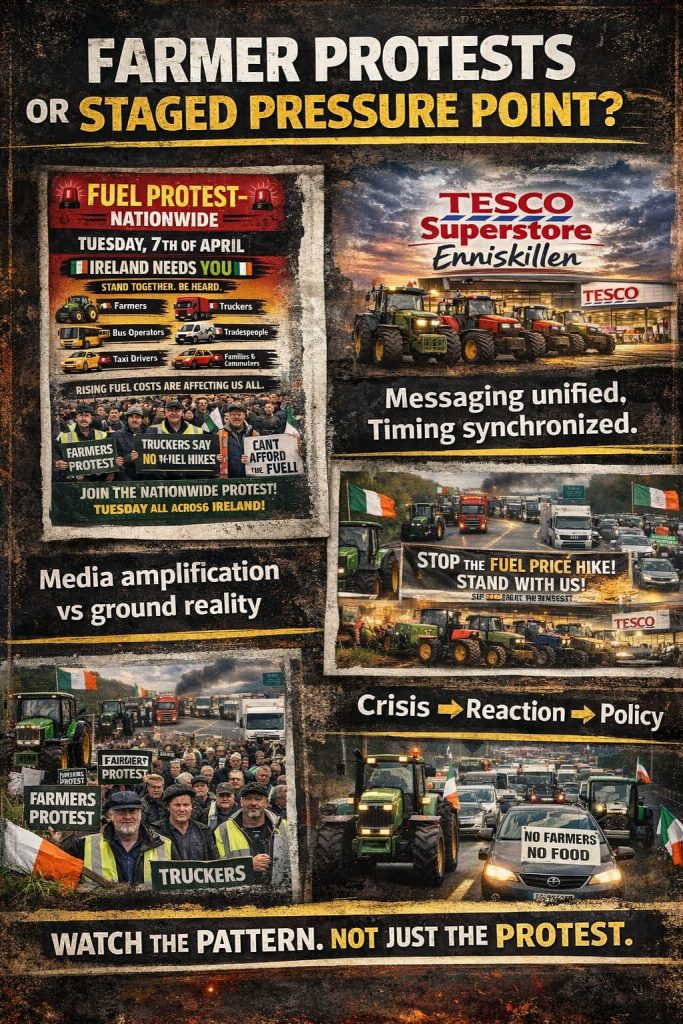
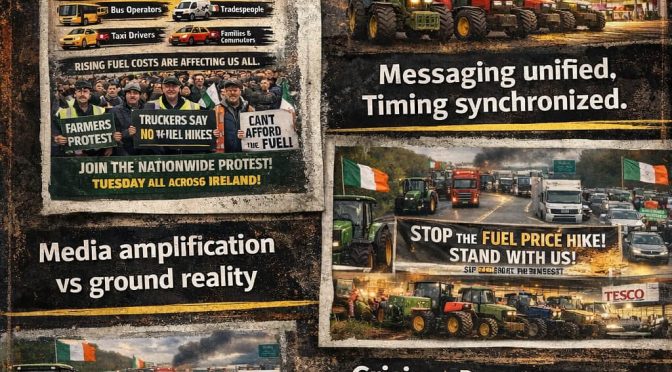
Unmasking the Agenda – Farmers Fuel Protests in Ireland and the Global Elite’s Plan

Share This To:
Farmers-Truckers-Psyop

Introduction

The recent protests by farmers and truckers in Ireland have captured global attention, but what lies beneath the surface of these demonstrations? To understand the true motivations and potential outcomes, we must delve into the intricate web of global agendas, historical contexts and the elite’s strategies for control.

The Historical Context: Vatican-Linked Farmers and Settlers

To comprehend the current unrest, we must first acknowledge the historical injustices that have shaped Ireland. Many of the farmers protesting today are descendants of British landlords who, during the Papal Bull of Laudabiliter, enforced mass evictions. These invaders and settlers have a complex history with the Vatican and their presence in Ireland has often been a source of tension and conflict.

UN Agenda 21 and Agenda 2030: The Blueprint for Control

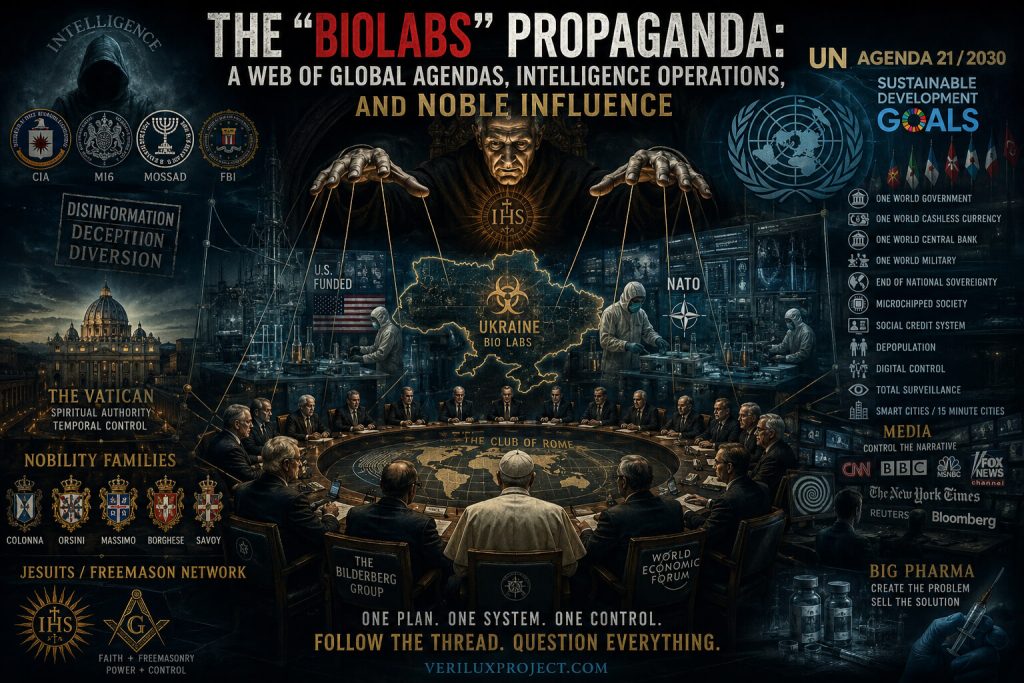
The United Nations’ Agenda 21 and its successor, Agenda 2030, outline a vision for a sustainable future. However, critics argue that these agendas are a Trojan horse for global governance and control.

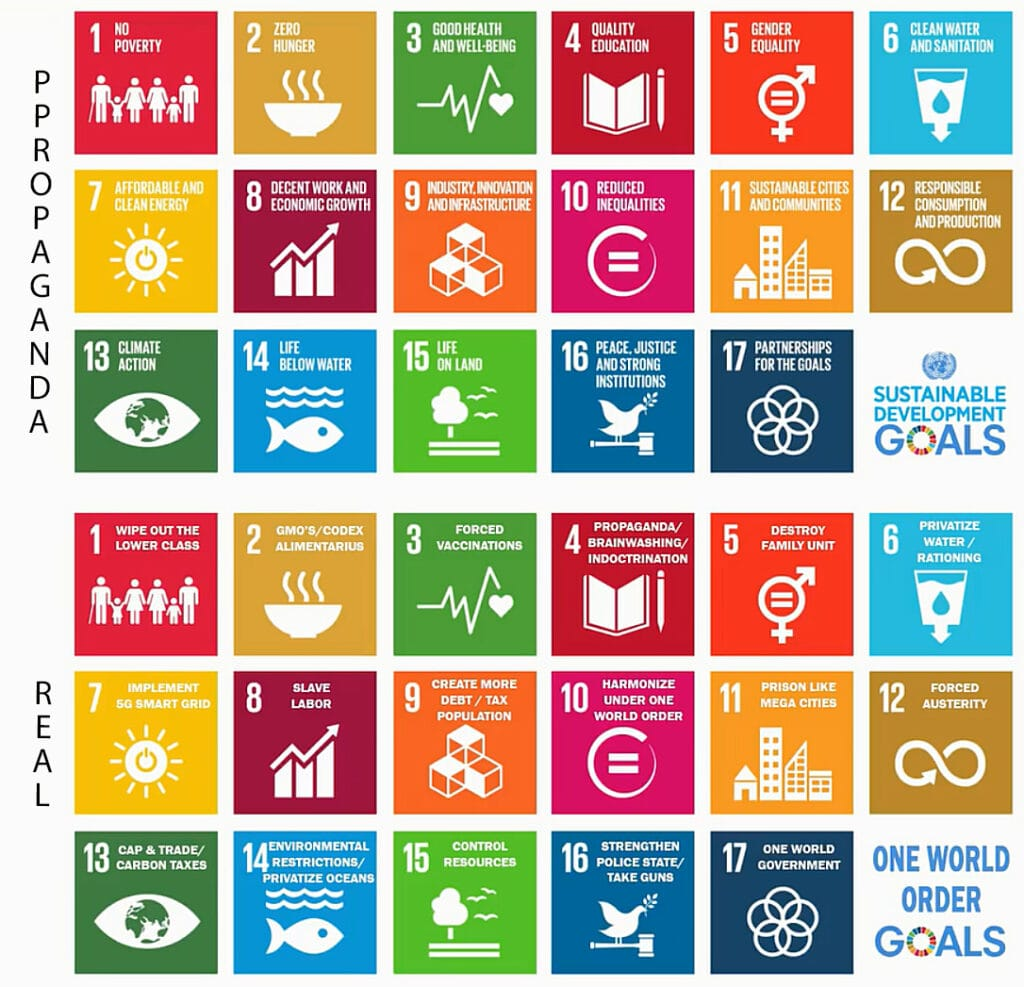
Sustainable Development Goals (SDGs)

These goals, while seemingly benign, can be used to justify a wide range of policies that infringe on individual freedoms and national sovereignty. The SDGs are aligned with various aspects of the protests and the elite’s agenda:

  • SDG 1: No Poverty – Used to justify income redistribution and control over economic activities.

  • SDG 2: Zero Hunger – Employed to centralize food production and distribution, potentially threatening food sovereignty.

  • SDG 7: Affordable and Clean Energy – Pushes for renewable energy sources, which can be used to phase out fossil fuels and control energy supplies.

  • SDG 9: Industry, Innovation and Infrastructure – Promotes smart cities and digital infrastructure, which can be used to implement digital ID and social credit systems.

  • SDG 11: Sustainable Cities and Communities – Aims to create smart, sustainable cities that can be used to control urban populations and reduce rural influence.

  • SDG 13: Climate Action – The primary driver for the carbon agenda, justifying policies that restrict economic activities and private transportation.

Climate Change Agenda / Carbon Agenda

The push for carbon neutrality and the fight against climate change are used to implement policies that restrict economic activities, particularly in sectors like agriculture and transportation.

The Carbon Agenda: Controlling the Commons

The carbon agenda is a critical component of the elite’s plan. By framing climate change as an existential threat, they can justify the following:

Ending Private Ownership of Transportation

The push for electric vehicles and public transportation is part of a broader strategy to reduce private car ownership and control mobility. This aligns with SDG 9 and SDG 11, which promote sustainable infrastructure and cities.

Agricultural Reform

Sustainable farming practices, while environmentally beneficial, can also be used to consolidate control over food production and distribution. This is in line with SDG 2, which aims to end hunger and promote sustainable agriculture.

Digital ID Infrastructure and Social Credit Scoring

The implementation of a digital ID infrastructure and social credit scoring systems are key tools in the elite’s arsenal for control.

These systems can be used to:

  • Monitor and Control Behavior – By tracking individuals’ actions and assigning them a ‘social credit’ score, governments can incentivize compliant behavior and punish dissent. This is supported by SDG 9, which promotes digital infrastructure and innovation.


  • Facilitate Surveillance – Digital IDs allow for unprecedented levels of surveillance, enabling the state to monitor citizens’ movements and interactions. This ties into SDG 11, which aims to make cities and human settlements inclusive, safe, resilient and sustainable.


Ordo Ab Chao: Order Out of Chaos

The protests in Ireland could be seen as a manifestation of the elite’s strategy of ‘ordo ab chaos’ – creating order out of chaos. By fomenting unrest, they can justify the implementation of new systems and policies that increase their control.

This could lead to:

  • Civil Unrest and Martial Law – Prolonged protests could provide the pretext for deploying public order units or even imposing martial law, giving the government expanded powers. This aligns with SDG 16, which promotes peace, justice and strong institutions.


  • Propaganda and PsyOps – The extensive media coverage of the protests could be part of a propaganda campaign to shape public perception and frame the narrative around sustainability and climate action. This is supported by SDG 4, which promotes quality education and can be used to influence public opinion.


The End Goal: Technocratic Control

The ultimate aim of these agendas is technocratic control, where decisions are made by experts and technocrats rather than elected representatives.

This could involve:

  • Smart Agriculture and Precision Farming – Technologies that give more control to centralized authorities, potentially at the expense of traditional farming methods and livelihoods. This is in line with SDG 2 and SDG 9, which promote sustainable agriculture and innovation.


  • Global Supply Chain Disruptions – Using disruptions to justify centralizing control over food production and distribution. This aligns with SDG 2 and SDG 9, which aim to end hunger and promote sustainable and resilient infrastructure.

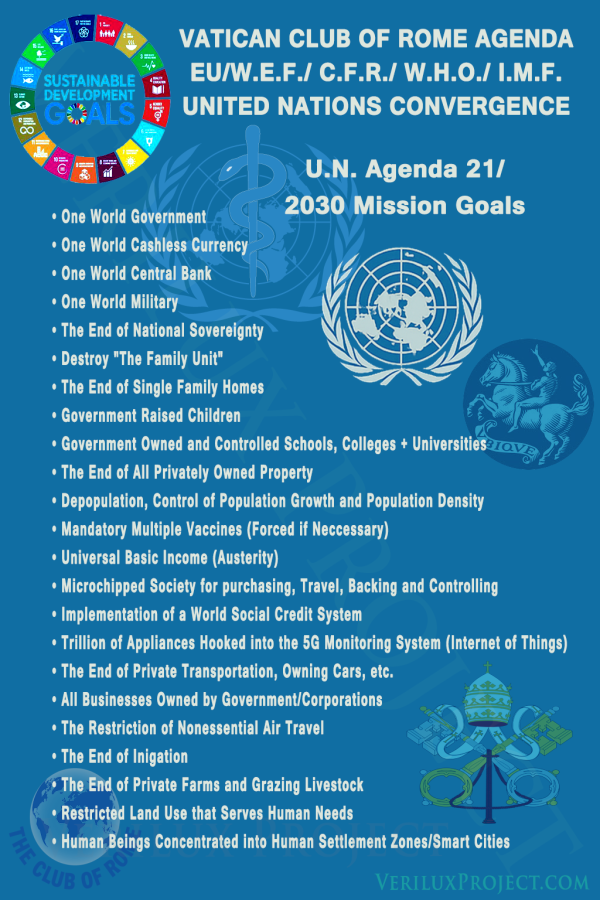
UN Agenda 2030 Mission Goals

A Call to Awareness

As indigenous people, it is crucial to recognize the true nature of these protests and the agendas behind them. The elite have a history of using local conflicts to advance their global plans. By understanding the connections between the farmers’ protests, the UN agendas and the push for digital control, we can better resist these attempts at manipulation.

Let us stand united in awareness and resistance, preserving our sovereignty and traditional ways of life in the face of global technocratic control.

How does Agenda 2030 threaten the traditional, sustainable practices of indigenous communities like the Irish ⁉️

Why are the voices of indigenous peoples, who have lived sustainably for generations, being marginalized in the SDG discussions⁉️

How do the SDGs undermine local, community-based solutions in favor of corporate-driven “sustainability” initiatives⁉️

What are the potential long-term consequences of implementing Agenda 2030 on the cultural and spiritual connection to the land held by indigenous peoples⁉️

Why is there a lack of transparency in how Agenda 2030 is funded and who benefits from its implementation⁉️

How do the SDGs promote a one-size-fits-all approach to sustainability, ignoring the unique needs and knowledge of different cultures⁉️

What role do multinational corporations play in shaping Agenda 2030 and how does this influence impact local communities and their traditions⁉️

Why are indigenous peoples not given more control over their lands and resources, despite their proven track record of sustainable stewardship⁉️

How does Agenda 2030’s focus on economic growth conflict with the spiritual and ecological values of indigenous cultures⁉️

What can indigenous communities do to protect their lands and traditions from the potential threats posed by Agenda 2030 and the SDGs⁉️

These questions should resonate with your beliefs and encourage a deeper examination of the impacts of global agendas on indigenous cultures and their connection to the land.

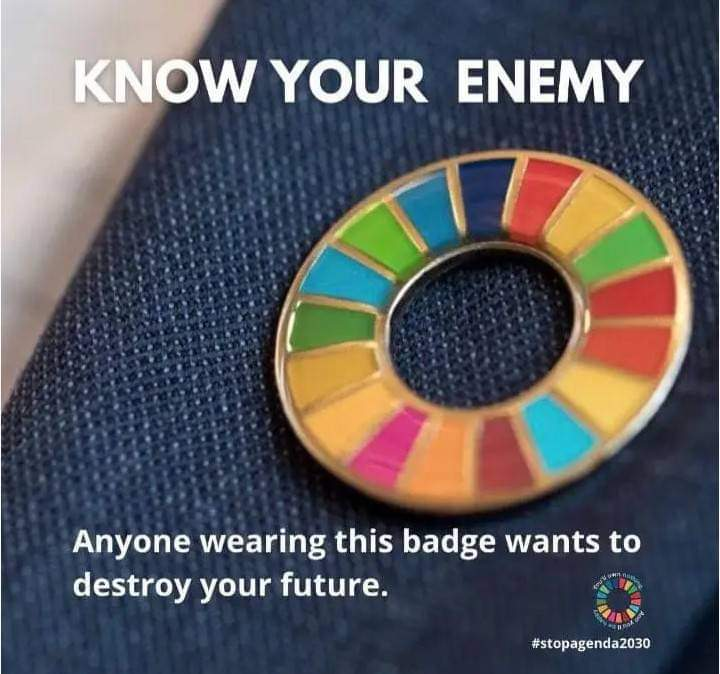
Know your enemy UN AGENDA 2030

Share This To:

The Royal Nazi Order of Orange (Order)

Share This To:

The Orange Network: How Dutch Royal Connections Shape Global Governance in the Era of Agenda 2030

Introduction: From Banking Dynasties to Digital Control Systems

The Royal Nazi Order of Orange otherwise known as the House of Orange-Nassau, once merely the ruling dynasty of the Netherlands, has evolved into a complex network of financial, technological and political influence that permeates global governance structures. What began with colonial trading companies and banking institutions has transformed into a sophisticated web of connections that aligns remarkably with United Nations sustainability initiatives while simultaneously advancing mechanisms of control that would have been unimaginable to previous generations.

This investigation traces how Dutch royal connections have evolved from traditional banking and industry into strategic positions within the digital identity, pharmaceutical and sustainable development sectors that form the backbone of Agenda 2030 implementation. The transformation of ABN AMRO from a colonial trading instrument to a vehicle for sustainable finance represents just one facet of this broader phenomenon.

The Financial Architecture: From ABN AMRO to Sustainable Investment

Current Ownership Structure

ABN AMRO Bank, once directly connected to Dutch royal interests, now operates through a complex ownership structure that maintains state influence while appearing privatized. All shares in ABN AMRO Bank N.V. are held by two foundations: stichting administratiekantoor beheer financiële instellingen (NLFI) and Stichting Administratiekantoor Continuïteit ABN AMRO Bank (STAK AAB)^1,2^.

The Dutch State owns shares in ABN AMRO through NLFI, which has been gradually reducing its stake from 40.5% in 2024 to 20% by September 2025^3^,4^. This apparent privatization masks a more complex reality where STAK AAB can exercise significant control, particularly in what it deems “hostile circumstances” – potentially including scenarios that threaten Dutch state interests or royal connections^2^.

Evolution Into Sustainable Finance

ABN AMRO has positioned itself at the forefront of sustainable finance, aligning perfectly with UN SDGs. The bank has developed sophisticated ESG (Environmental, Social, Governance) frameworks that channel investment toward approved “sustainable” projects while restricting financing to industries deemed problematic by global governance bodies.

This transformation represents a broader shift in Dutch financial influence – from overt colonial exploitation to more subtle mechanisms of control through financial gatekeeping. The bank’s current focus on “sustainability” creates powerful incentives for corporations to adopt UN-aligned policies to access capital.

The Saudi Hollandi Connection

The historical connection between ABN AMRO and Saudi Hollandi Bank (now Saudi British Bank) illustrates how Dutch financial networks have facilitated influence in key strategic regions. This banking relationship has evolved beyond traditional finance into joint ventures in sustainable development projects across the Middle East, all aligned with Agenda 2030 objectives.

The Louis-Dreyfus Nexus: Commodities, Philanthropy and Control

Modern Corporate Structure

The Louis-Dreyfus Group, which relocated significant operations to the Netherlands, represents another pillar of Dutch-influenced global commerce. Under Margarita Louis-Dreyfus, the company has expanded beyond traditional commodities trading into sustainable agriculture, carbon credits and ESG-compliant supply chains.

The company’s partnership with Philipp Hildebrand, former Swiss central bank head and current Vice Chairman at BlackRock, creates a direct link between Dutch royal-associated commerce and the world’s largest asset manager^1^,^ which controls approximately $10 trillion in assets and has positioned itself as the primary implementer of ESG standards globally.

The Rand Corporation Connection

The historical involvement of Hubert and Stuart Dreyfus with the Rand Corporation’s artificial intelligence division represents an early entry into what would become the technological control infrastructure. Rand’s current focus on AI governance, predictive analytics for climate modeling and digital identity systems aligns with UN digital ID initiatives and Agenda 2030’s technology components.

This technological expertise has evolved into modern applications through Dutch tech partnerships that focus on:

  • Agricultural monitoring systems for “sustainable” farming
  • Supply chain tracking to ensure ESG compliance
  • Carbon credit verification technologies
  • Digital identity systems integrated with financial access

The Orange Network: Masonic Orders and Modern Governance

The Loyal Orange Institution

The Loyal Orange Institution, originally created to honor Dutch-born Protestant King William of Orange, has evolved from a religious-political organization into a network that facilitates connections between Dutch royal interests and global governance structures.

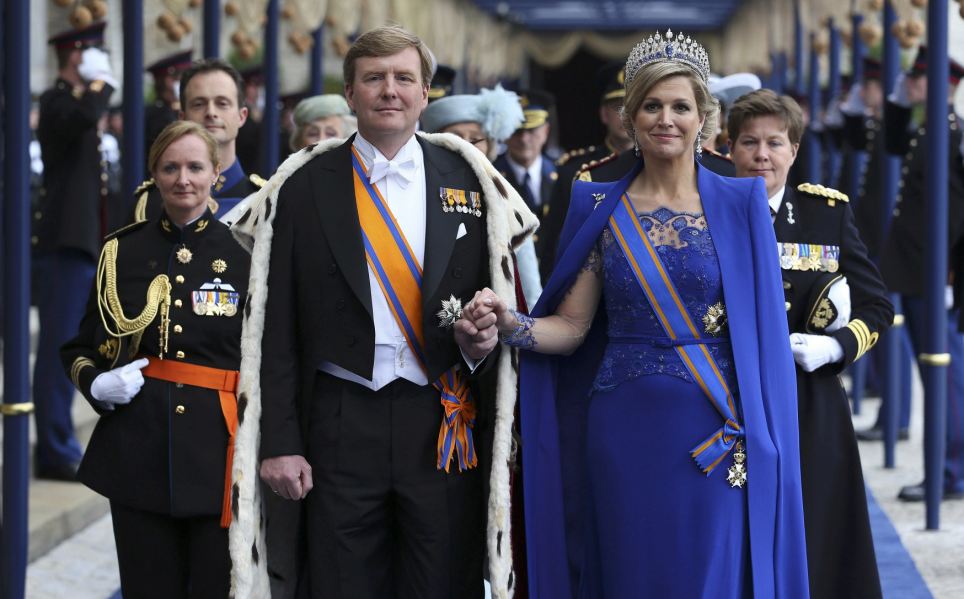
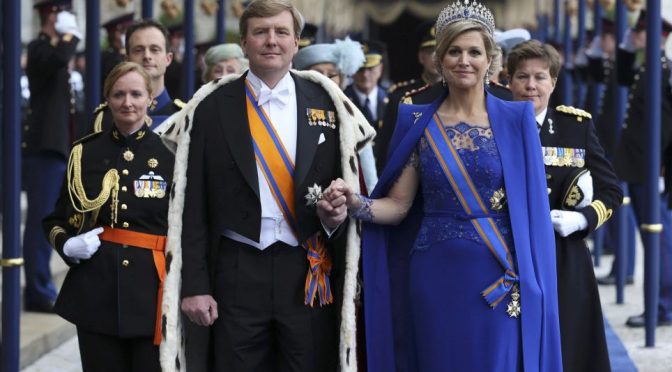
While King Willem-Alexander remains the symbolic head of the Loyal Orange Order, the organization’s modern function involves facilitating business relationships and policy alignment between Dutch-connected entities and international bodies implementing Agenda 2030.

From LOL to Digital Control Systems

The curious coincidence of “LOL” as both an acronym for Loyal Orange Lodge and the ubiquitous internet expression “laughing out loud” takes on new significance in the context of digital surveillance. Modern data analysis systems developed by Dutch tech companies (many with royal connections) are capable of monitoring digital communications for compliance with emerging global standards on “hate speech” and “misinformation” – terms increasingly defined to include criticism of UN policies and sustainable development initiatives.

Royal Connections to Global Governance Structures

The Sovereign Military Order of Malta

Queen Beatrix’s role as a Dame of the Sovereign Military Order of Malta connects the Dutch royal family to one of the oldest and most influential Catholic organizations, which maintains observer status at the UN and participates in humanitarian initiatives that often align with Agenda 2030 implementation.

This connection provides diplomatic channels and access to global networks that operate alongside official governmental structures, facilitating influence in areas where state actors face restrictions.

The Bourbon-Parma Bridge

Prince Jamie of Bourbon-Parma, nephew of Queen Beatrix, serves as both a Knight of Malta and the Dutch ambassador to the Holy See. This dual role creates a direct channel between Dutch royal interests and the Vatican, which has become increasingly aligned with UN sustainability initiatives through papal encyclicals like Laudato Si’.

The House of Bourbon-Parma’s historical connection to the Farnese family (which established the Jesuits) maintains a continuity of influence within religious organizations that play crucial roles in implementing Agenda 2030 through community networks and humanitarian operations.

The Modern Implementation Network: Corporations and Technologies

Digital Identity Systems

Dutch companies with royal connections have become leaders in developing digital identity systems that align with UN ID2020 initiatives and SDG 16.9 (legal identity for all). These systems integrate biometric data, financial access and social credit scoring – creating comprehensive control mechanisms under the guise of “inclusion.”

Notable examples include:

  • partnerships between Dutch fintech companies and global banks to develop “inclusive” digital financial systems
  • blockchain-based identity solutions marketed as empowering but designed for centralized control
  • health passports and vaccination verification systems developed by Dutch biotech companies

Pharmaceutical Influence

The Netherlands has become a hub for pharmaceutical companies developing mRNA technologies and vaccine platforms that align with global health initiatives. Dutch royal foundations have invested heavily in biotech companies that received pandemic funding and now develop “sustainable” healthcare solutions tied to digital identity systems.

This pharmaceutical network connects to global governance through:

  • participation in WHO pandemic preparedness initiatives
  • development of digital health records integrated with identity systems
  • promotion of “One Health” approaches that blur boundaries between human and animal health management

Silicon Valley Connections

Dutch royal investment funds have established significant positions in Silicon Valley companies developing:

  • AI governance systems
  • social media monitoring technologies
  • carbon tracking platforms
  • ESG compliance software

These technologies form the infrastructure for monitoring and enforcing compliance with Agenda 2030 objectives while creating profitable investment opportunities for royal-connected funds.

Sustainable Development Projects

The Dutch royal network has positioned itself at the center of sustainable development projects including:

  • “Smart city” developments with comprehensive surveillance systems
  • agricultural transformations that prioritize ESG metrics over food security
  • renewable energy projects that create dependencies on Dutch technologies
  • ocean governance initiatives that expand regulatory control

The United Nations Alignment: Agenda 21, Agenda 2030 and SDGs

Historical Evolution

The Dutch royal network’s alignment with UN sustainability initiatives began with Agenda 21 in 1992 and has intensified through Agenda 2030 and the Sustainable Development Goals. This alignment represents a strategic evolution from colonial resource extraction to modern “sustainable” governance systems.

Implementation Mechanisms

The Dutch royal influence manifests in Agenda 2030 implementation through:

  1. Financial Control: ABN AMRO and other Dutch financial institutions channel investment toward approved sustainable projects while restricting access for non-compliant entities^1,3^.
  2. Technological Infrastructure: Dutch tech companies develop monitoring and enforcement systems for SDG compliance.
  3. Policy Influence: Royal-connected foundations and think tanks shape policy development at UN conferences and through national governments.
  4. Philanthropic Direction: Royal charities direct funding toward organizations that implement Agenda 2030 objectives.

The Sustainable Development Paradox

While promoting sustainability, Dutch royal-connected initiatives often:

  • concentrate land ownership in the name of conservation
  • restrict energy access through “transition” policies
  • limit economic development through ESG compliance requirements
  • expand surveillance capabilities in the name of efficiency

Conclusion: The New Orange Order

The House of Orange-Nassau’s evolution from feudal rulers to sustainability pioneers represents a broader transformation in power structures. Where once control was exercised through direct political authority and colonial exploitation, it now operates through financial systems, technological infrastructure and global governance frameworks.

The Dutch royal network’s alignment with Agenda 2030 is not coincidental but represents a strategic positioning at the intersection of financial, technological and political power. Through institutions like ABN AMRO^1,2,3,6,9,10, partnerships with global asset managers like BlackRock and leadership in sustainable development technologies, this network has established itself as a crucial implementation mechanism for global governance objectives.

The future of this influence lies in the expansion of digital identity systems, ESG-based

Sources

Shareholder structure | ABN AMRO
https://www.abnamro.com/en/about-abn-amro/information/shareholder-structure

Shareholder structure https://www.abnamro.com/en/over-abn-amro/information/shareholder-structure

ABN AMRO – Wikipedia https://en.wikipedia.org/wiki/ABN_AMRO

Frequently aksed questions | ABN AMRO https://www.stakaab.org/en/product/frequently-asked-questions

ABN AMRO Bank N.V.: Shareholders Board Members Managers and Company Profile | NL0011540547 | MarketScreener https://www.marketscreener.com/quote/stock/ABN-AMRO-BANK-N-V-24962165/company/

Stichting Administratiekantoor Continuïteit ABN AMRO Bank – About STAK AAB | ABN AMRO https://www.stakaab.org/en/about-stak-aab

ABNRY – Abn Amro Group NV Stock – Stock Price, Institutional Ownership, Shareholders (OTC) https://fintel.io/so/us/abnry

ABN Amro | DC Byte https://www.dcbyte.com/company/abn-amro/

Annual Report 2023 – STAK AAB https://assets.ctfassets.net/1u811bvgvthc/3kIXhMjNVosAKHDsRKkujO/3519b06acb7b4104ba3576ceba32f7a2/the_Annual_Report_STAK_AAB_2023.pdf

Bilateral communication with shareholders | ABN AMRO https://www.abnamro.com/en/about-abn-amro/information/bilateral-communication-with-shareholders

1 2 3 4 5 6

Share This To: