
The Orange Network: How Dutch Royal Connections Shape Global Governance in the Era of Agenda 2030
Introduction: From Banking Dynasties to Digital Control Systems
The Royal Nazi Order of Orange otherwise known as the House of Orange-Nassau, once merely the ruling dynasty of the Netherlands, has evolved into a complex network of financial, technological and political influence that permeates global governance structures. What began with colonial trading companies and banking institutions has transformed into a sophisticated web of connections that aligns remarkably with United Nations sustainability initiatives while simultaneously advancing mechanisms of control that would have been unimaginable to previous generations.
This investigation traces how Dutch royal connections have evolved from traditional banking and industry into strategic positions within the digital identity, pharmaceutical and sustainable development sectors that form the backbone of Agenda 2030 implementation. The transformation of ABN AMRO from a colonial trading instrument to a vehicle for sustainable finance represents just one facet of this broader phenomenon.
The Financial Architecture: From ABN AMRO to Sustainable Investment
Current Ownership Structure
ABN AMRO Bank, once directly connected to Dutch royal interests, now operates through a complex ownership structure that maintains state influence while appearing privatized. All shares in ABN AMRO Bank N.V. are held by two foundations: stichting administratiekantoor beheer financiële instellingen (NLFI) and Stichting Administratiekantoor Continuïteit ABN AMRO Bank (STAK AAB)^1,2^.
The Dutch State owns shares in ABN AMRO through NLFI, which has been gradually reducing its stake from 40.5% in 2024 to 20% by September 2025^3^,4^. This apparent privatization masks a more complex reality where STAK AAB can exercise significant control, particularly in what it deems “hostile circumstances” – potentially including scenarios that threaten Dutch state interests or royal connections^2^.
Evolution Into Sustainable Finance
ABN AMRO has positioned itself at the forefront of sustainable finance, aligning perfectly with UN SDGs. The bank has developed sophisticated ESG (Environmental, Social, Governance) frameworks that channel investment toward approved “sustainable” projects while restricting financing to industries deemed problematic by global governance bodies.
This transformation represents a broader shift in Dutch financial influence – from overt colonial exploitation to more subtle mechanisms of control through financial gatekeeping. The bank’s current focus on “sustainability” creates powerful incentives for corporations to adopt UN-aligned policies to access capital.
The Saudi Hollandi Connection
The historical connection between ABN AMRO and Saudi Hollandi Bank (now Saudi British Bank) illustrates how Dutch financial networks have facilitated influence in key strategic regions. This banking relationship has evolved beyond traditional finance into joint ventures in sustainable development projects across the Middle East, all aligned with Agenda 2030 objectives.
The Louis-Dreyfus Nexus: Commodities, Philanthropy and Control
Modern Corporate Structure
The Louis-Dreyfus Group, which relocated significant operations to the Netherlands, represents another pillar of Dutch-influenced global commerce. Under Margarita Louis-Dreyfus, the company has expanded beyond traditional commodities trading into sustainable agriculture, carbon credits and ESG-compliant supply chains.
The company’s partnership with Philipp Hildebrand, former Swiss central bank head and current Vice Chairman at BlackRock, creates a direct link between Dutch royal-associated commerce and the world’s largest asset manager^1^,^ which controls approximately $10 trillion in assets and has positioned itself as the primary implementer of ESG standards globally.
The Rand Corporation Connection
The historical involvement of Hubert and Stuart Dreyfus with the Rand Corporation’s artificial intelligence division represents an early entry into what would become the technological control infrastructure. Rand’s current focus on AI governance, predictive analytics for climate modeling and digital identity systems aligns with UN digital ID initiatives and Agenda 2030’s technology components.
This technological expertise has evolved into modern applications through Dutch tech partnerships that focus on:
- Agricultural monitoring systems for “sustainable” farming
- Supply chain tracking to ensure ESG compliance
- Carbon credit verification technologies
- Digital identity systems integrated with financial access
The Orange Network: Masonic Orders and Modern Governance
The Loyal Orange Institution
The Loyal Orange Institution, originally created to honor Dutch-born Protestant King William of Orange, has evolved from a religious-political organization into a network that facilitates connections between Dutch royal interests and global governance structures.
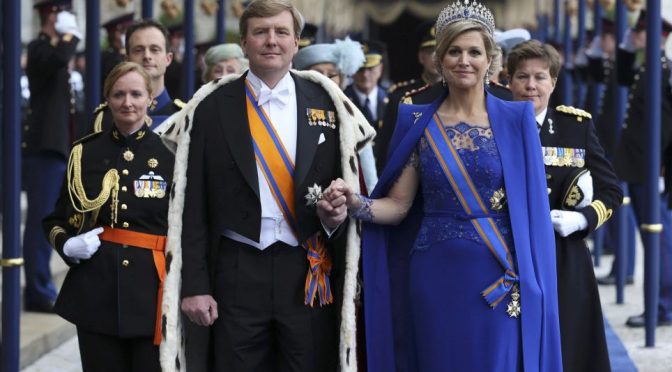
While King Willem-Alexander remains the symbolic head of the Loyal Orange Order, the organization’s modern function involves facilitating business relationships and policy alignment between Dutch-connected entities and international bodies implementing Agenda 2030.
From LOL to Digital Control Systems
The curious coincidence of “LOL” as both an acronym for Loyal Orange Lodge and the ubiquitous internet expression “laughing out loud” takes on new significance in the context of digital surveillance. Modern data analysis systems developed by Dutch tech companies (many with royal connections) are capable of monitoring digital communications for compliance with emerging global standards on “hate speech” and “misinformation” – terms increasingly defined to include criticism of UN policies and sustainable development initiatives.
Royal Connections to Global Governance Structures
The Sovereign Military Order of Malta
Queen Beatrix’s role as a Dame of the Sovereign Military Order of Malta connects the Dutch royal family to one of the oldest and most influential Catholic organizations, which maintains observer status at the UN and participates in humanitarian initiatives that often align with Agenda 2030 implementation.
This connection provides diplomatic channels and access to global networks that operate alongside official governmental structures, facilitating influence in areas where state actors face restrictions.
The Bourbon-Parma Bridge
Prince Jamie of Bourbon-Parma, nephew of Queen Beatrix, serves as both a Knight of Malta and the Dutch ambassador to the Holy See. This dual role creates a direct channel between Dutch royal interests and the Vatican, which has become increasingly aligned with UN sustainability initiatives through papal encyclicals like Laudato Si’.
The House of Bourbon-Parma’s historical connection to the Farnese family (which established the Jesuits) maintains a continuity of influence within religious organizations that play crucial roles in implementing Agenda 2030 through community networks and humanitarian operations.
The Modern Implementation Network: Corporations and Technologies
Digital Identity Systems
Dutch companies with royal connections have become leaders in developing digital identity systems that align with UN ID2020 initiatives and SDG 16.9 (legal identity for all). These systems integrate biometric data, financial access and social credit scoring – creating comprehensive control mechanisms under the guise of “inclusion.”
Notable examples include:
- partnerships between Dutch fintech companies and global banks to develop “inclusive” digital financial systems
- blockchain-based identity solutions marketed as empowering but designed for centralized control
- health passports and vaccination verification systems developed by Dutch biotech companies
Pharmaceutical Influence
The Netherlands has become a hub for pharmaceutical companies developing mRNA technologies and vaccine platforms that align with global health initiatives. Dutch royal foundations have invested heavily in biotech companies that received pandemic funding and now develop “sustainable” healthcare solutions tied to digital identity systems.
This pharmaceutical network connects to global governance through:
- participation in WHO pandemic preparedness initiatives
- development of digital health records integrated with identity systems
- promotion of “One Health” approaches that blur boundaries between human and animal health management
Silicon Valley Connections
Dutch royal investment funds have established significant positions in Silicon Valley companies developing:
- AI governance systems
- social media monitoring technologies
- carbon tracking platforms
- ESG compliance software
These technologies form the infrastructure for monitoring and enforcing compliance with Agenda 2030 objectives while creating profitable investment opportunities for royal-connected funds.
Sustainable Development Projects
The Dutch royal network has positioned itself at the center of sustainable development projects including:
- “Smart city” developments with comprehensive surveillance systems
- agricultural transformations that prioritize ESG metrics over food security
- renewable energy projects that create dependencies on Dutch technologies
- ocean governance initiatives that expand regulatory control
The United Nations Alignment: Agenda 21, Agenda 2030 and SDGs
Historical Evolution
The Dutch royal network’s alignment with UN sustainability initiatives began with Agenda 21 in 1992 and has intensified through Agenda 2030 and the Sustainable Development Goals. This alignment represents a strategic evolution from colonial resource extraction to modern “sustainable” governance systems.
Implementation Mechanisms
The Dutch royal influence manifests in Agenda 2030 implementation through:
- Financial Control: ABN AMRO and other Dutch financial institutions channel investment toward approved sustainable projects while restricting access for non-compliant entities^1,3^.
- Technological Infrastructure: Dutch tech companies develop monitoring and enforcement systems for SDG compliance.
- Policy Influence: Royal-connected foundations and think tanks shape policy development at UN conferences and through national governments.
- Philanthropic Direction: Royal charities direct funding toward organizations that implement Agenda 2030 objectives.
The Sustainable Development Paradox
While promoting sustainability, Dutch royal-connected initiatives often:
- concentrate land ownership in the name of conservation
- restrict energy access through “transition” policies
- limit economic development through ESG compliance requirements
- expand surveillance capabilities in the name of efficiency
Conclusion: The New Orange Order
The House of Orange-Nassau’s evolution from feudal rulers to sustainability pioneers represents a broader transformation in power structures. Where once control was exercised through direct political authority and colonial exploitation, it now operates through financial systems, technological infrastructure and global governance frameworks.
The Dutch royal network’s alignment with Agenda 2030 is not coincidental but represents a strategic positioning at the intersection of financial, technological and political power. Through institutions like ABN AMRO^1,2,3,6,9,10, partnerships with global asset managers like BlackRock and leadership in sustainable development technologies, this network has established itself as a crucial implementation mechanism for global governance objectives.
The future of this influence lies in the expansion of digital identity systems, ESG-based
Sources
Shareholder structure | ABN AMRO
https://www.abnamro.com/en/about-abn-amro/information/shareholder-structure
Shareholder structure https://www.abnamro.com/en/over-abn-amro/information/shareholder-structure
ABN AMRO – Wikipedia https://en.wikipedia.org/wiki/ABN_AMRO
Frequently aksed questions | ABN AMRO https://www.stakaab.org/en/product/frequently-asked-questions
ABN AMRO Bank N.V.: Shareholders Board Members Managers and Company Profile | NL0011540547 | MarketScreener https://www.marketscreener.com/quote/stock/ABN-AMRO-BANK-N-V-24962165/company/
Stichting Administratiekantoor Continuïteit ABN AMRO Bank – About STAK AAB | ABN AMRO https://www.stakaab.org/en/about-stak-aab
ABNRY – Abn Amro Group NV Stock – Stock Price, Institutional Ownership, Shareholders (OTC) https://fintel.io/so/us/abnry
ABN Amro | DC Byte https://www.dcbyte.com/company/abn-amro/
Annual Report 2023 – STAK AAB https://assets.ctfassets.net/1u811bvgvthc/3kIXhMjNVosAKHDsRKkujO/3519b06acb7b4104ba3576ceba32f7a2/the_Annual_Report_STAK_AAB_2023.pdf
Bilateral communication with shareholders | ABN AMRO https://www.abnamro.com/en/about-abn-amro/information/bilateral-communication-with-shareholders

The Burkes – Ireland’s Shadow Crown from Rome to Clanricarde
“☘️ The Burkes – Ireland’s Shadow Crown from Rome to Clanricarde” 🧱 1. Foundational Code…
Rethink Ireland – The Mortell Engine: Agenda 2030’s Irish Proxy
Follow the rainbow. Find the rot. CORE MISSION & CONTROL MECHANISM Rethink Ireland presents as…
✝️👁️ The Sinister Side Of The Vatican And The Churches Of Ireland 👁️✝️
Ivermectin & Population Control Poison: a Deep Dive into a Nobel Prize Winning Medicine
I know this article is going to get swarmed with hate, just like my vitamin…
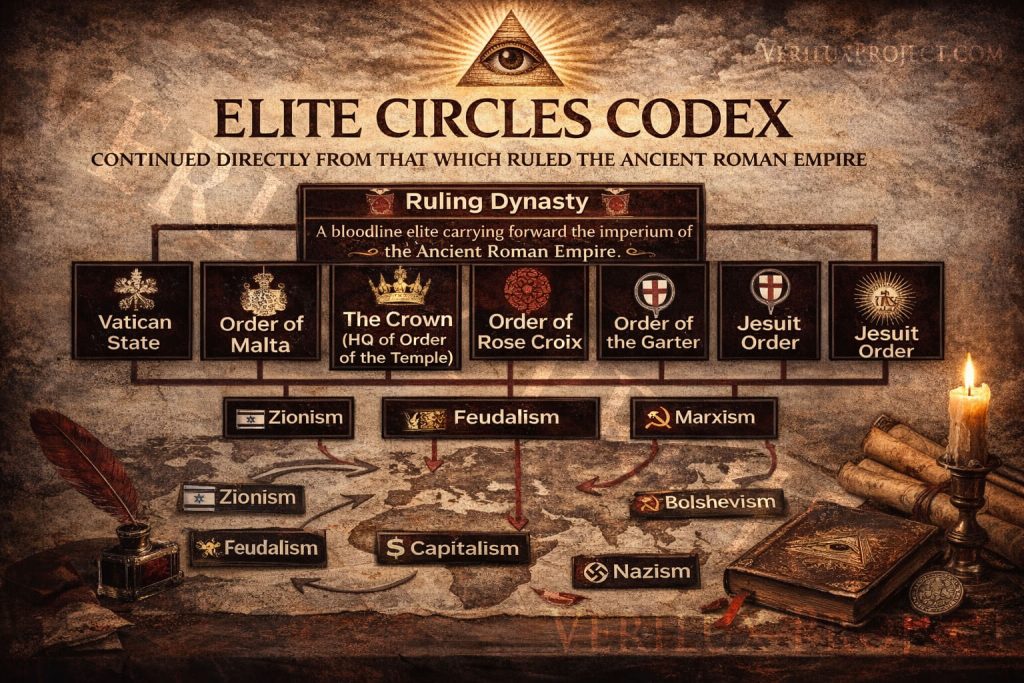
The Ruling Dynasties – Elite Circles 🇻🇦👑👁️
👑🇻🇦👁️ Elite Circles & Hidden Societies: Verilux Codex Overview👑 RULING DYNASTYThe master node. This is…
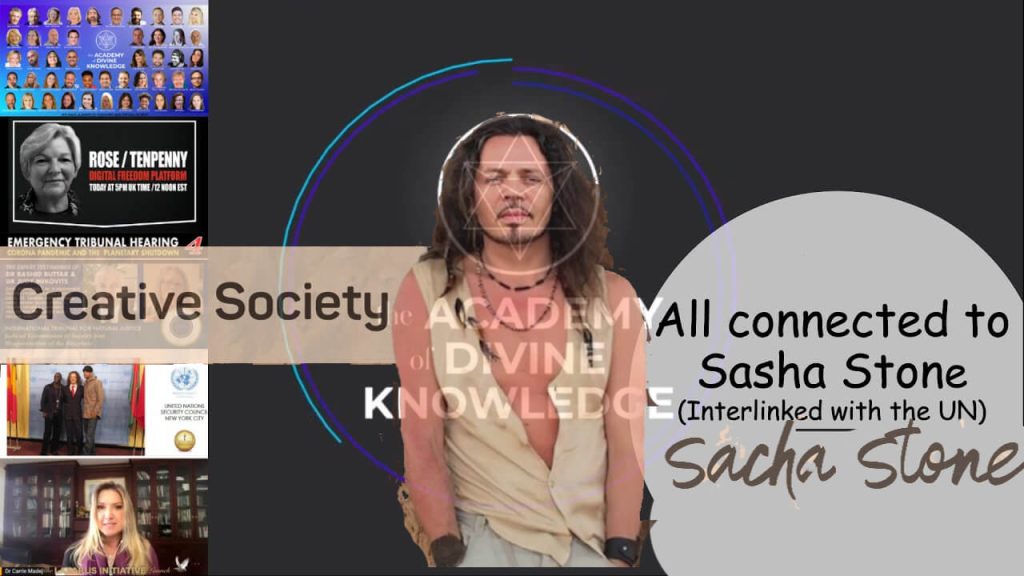
SACHA STONE – EXPOSED
Perhaps one of the biggest gatekeepers out there is Sasha Stone and someone has gone…
The Burkes – Ireland’s Shadow Crown from Rome to Clanricarde
“☘️ The Burkes – Ireland’s Shadow Crown from Rome to Clanricarde” 🧱 1. Foundational Code…

Inside the Inversion Machine: JTRIG, StratCom and the Global War on Truth
From Tavistock to Tel Aviv: Mapping the Digital PsyOps Alliance Behind the UN’s Narrative Control…

Who Are Greta Thunbergs Family ?
Want to know who Greta Thunbergs family REALLY Are ? How they are connected to…

The Great Awakening Is A Great Containment
The Great Awakening or a Globalist Trap? The Great Awakening Is A Great Containment :…
Bacik’s Spell: When Foreign Bloodlines Front the Irish Cage
Intro – The Glamour of the Imported Rebel In an era where puppets parade as…

The Real Families Who Control The World
The Real Families Who Control The World The Real Families Who Control The World, If…
Rethink Ireland – The Mortell Engine: Agenda 2030’s Irish Proxy
Follow the rainbow. Find the rot. CORE MISSION & CONTROL MECHANISM Rethink Ireland presents as…
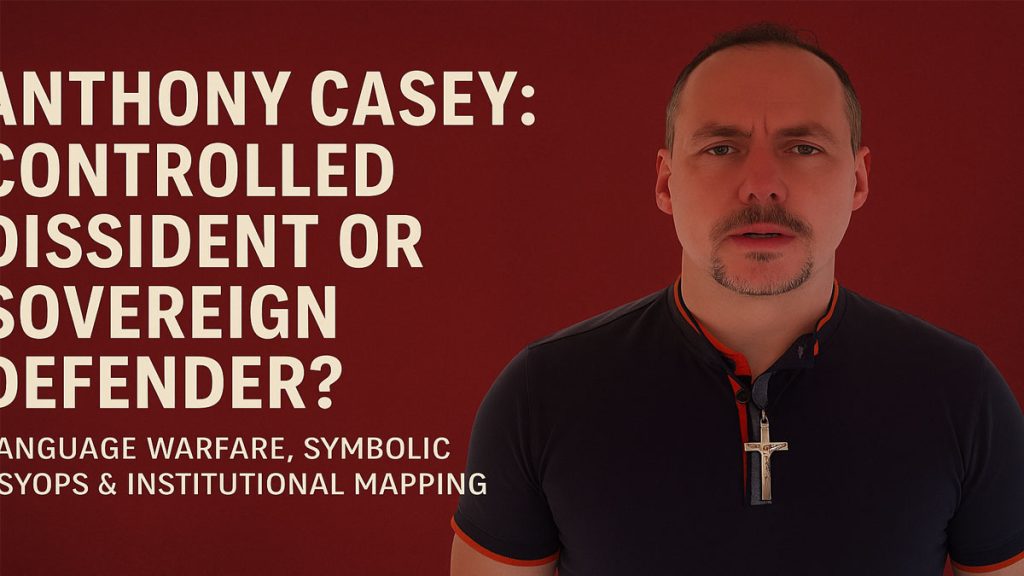
Anthony Casey: Controlled Dissident or Sovereign Defender?
In the shifting sands of Irish nationalism few figures have stirred as much intrigue and…
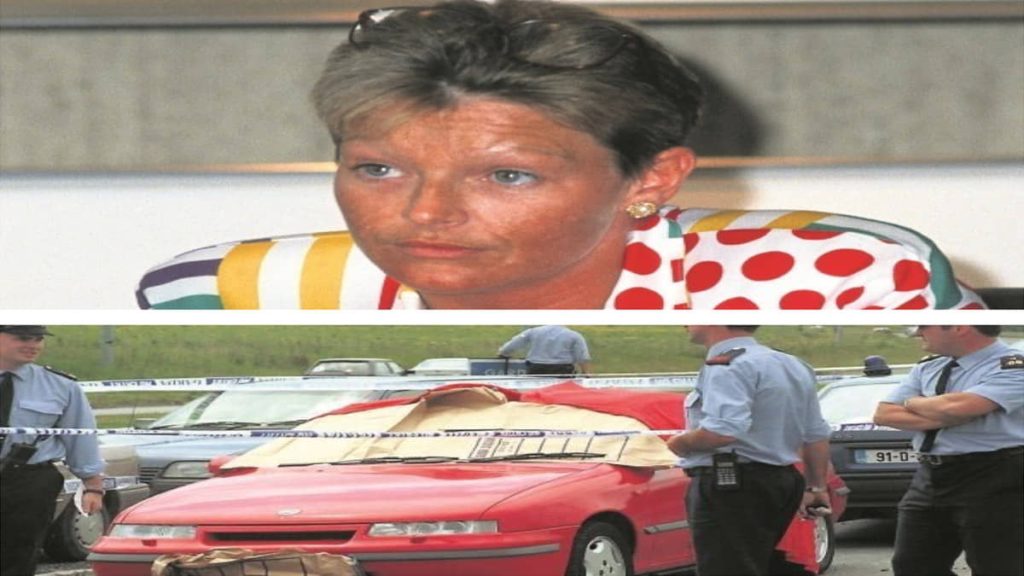
WHAT REALLY HAPPENED TO VERONICA GUERIN ?
Veronica Guerin – Echo 96: The Journalist Who Threatened the U.N. Machine, Was this true…
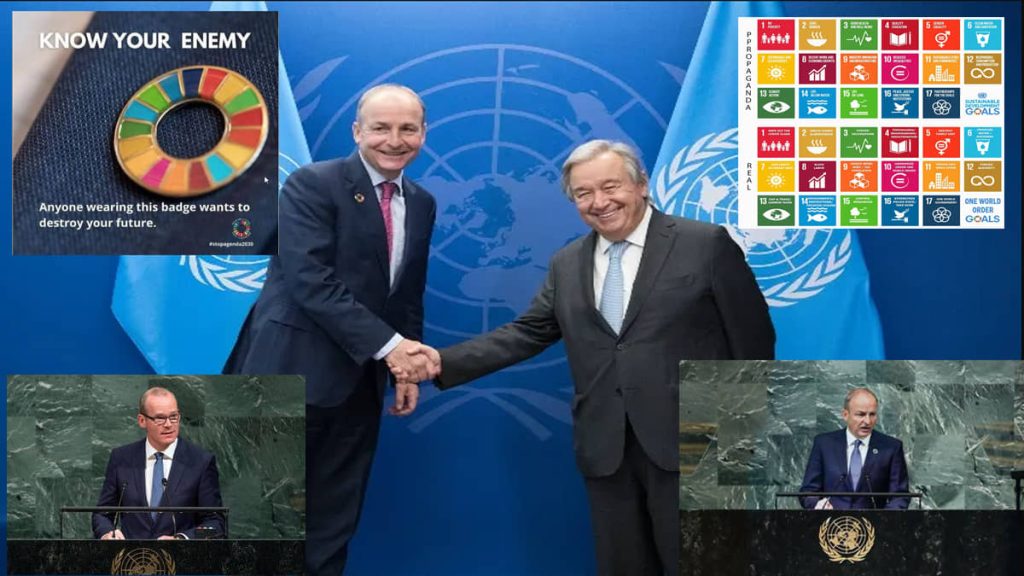
Ireland will either be The Poster Child Of Submission… or the spark of the final awakening.
🇮🇪☘️ The Emerald Jewel is caught between two tectonic forces: UN Technocracy and Ancient Sovereignty….

“The Ritual of Silence Is Broken — We Hear You. We See You. We’re Not Fooled.”
The Ritual of Silence: Unmasking “See No Evil, Hear No Evil, Speak No Evil” ❖…
The Vatican Throne Of Lies Where The Crown, Cross and Sword Still Rule
Vatican City (Stato della Città del Vaticano) Is an Independent Sovereign State Created in 1929…

Feminist Cartel
Feminist Cartel Female members of the New World Order are all involved with viciously targeting…